Africa | Mozambique | Rolas Island

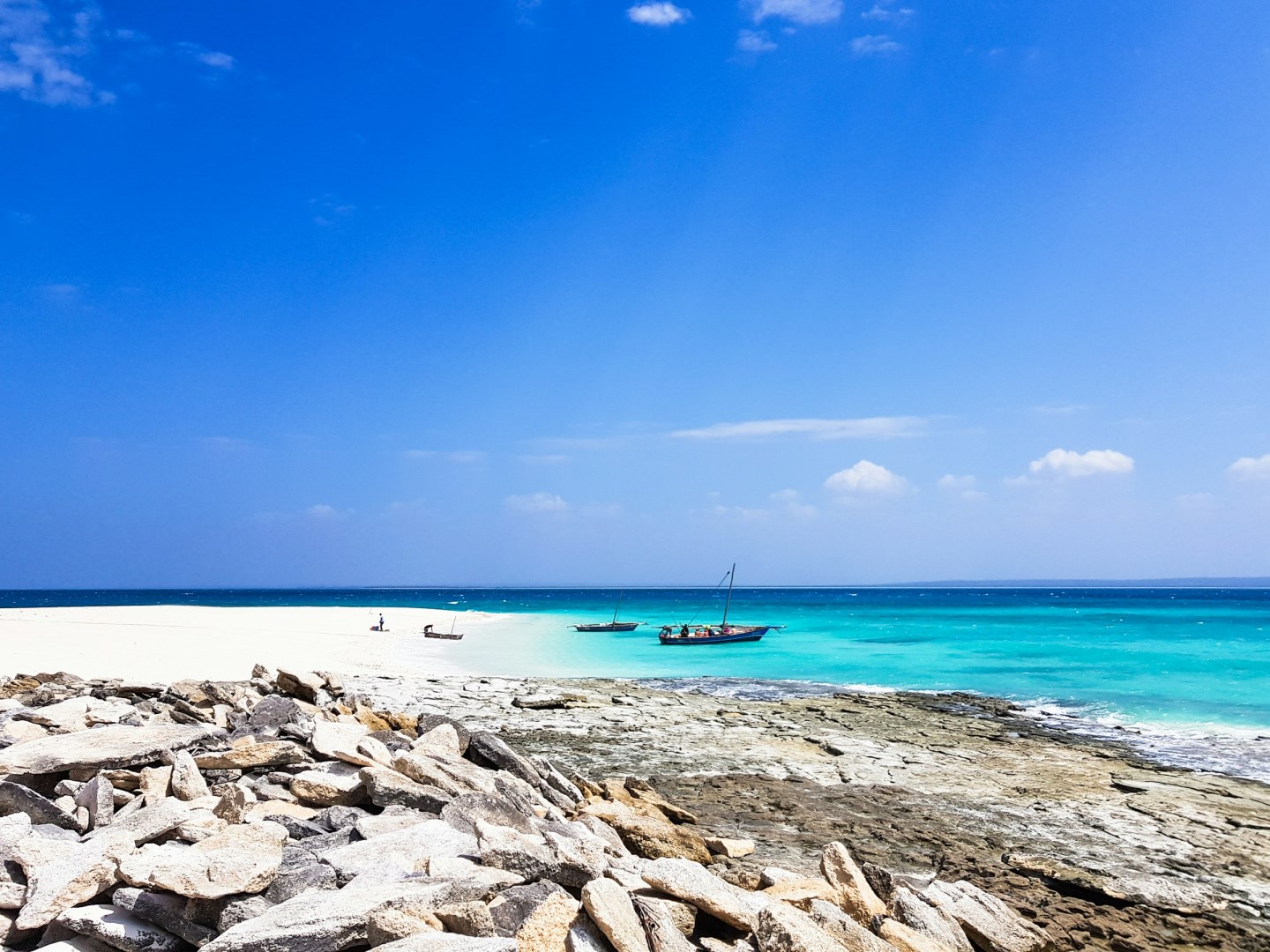
Rolas Island is a small coastal island in Mozambique, set in the Indian Ocean and shaped by the sandy shores, warm waters and tropical conditions characteristic of the country’s long eastern coastline. It should not be confused with Ilhéu das Rolas in São Tomé and Príncipe. Mozambique’s lesser-known offshore islands often have limited permanent infrastructure, and access commonly depends on small boats from nearby coastal settlements. Around Rolas, the marine setting is the main defining feature, with tides, currents and seasonal weather influencing travel, fishing and the appearance of beaches and exposed coastal areas.
The island belongs to Mozambique’s wider Indian Ocean cultural setting, where coastal communities have long depended on fishing and small-scale maritime trade. Portuguese is the country’s official language, while numerous African languages are spoken in different coastal regions. Traditional fishing commonly uses wooden boats and other small craft suited to nearshore waters. Community life along Mozambique’s coast is closely connected with the sea, both as a source of food and as a transport route between islands and mainland settlements. These patterns remain especially visible away from the country’s larger ports and established resort areas.
Rolas Island’s surroundings form part of Mozambique’s extensive marine environment, which includes coral reefs, seagrass beds, mangroves and sandy coastal habitats. These ecosystems support reef fish, crustaceans, sea turtles and many other marine species, although their distribution varies along the coast. Mozambique also contains several major protected marine areas, including the Bazaruto Archipelago National Park and the Primeiras and Segundas Environmental Protection Area. Small offshore islands such as Rolas illustrate the fragmented character of this coastline, where shallow channels, reefs, sandbanks and tidal waters create a landscape that changes noticeably between high and low tide.
Food associated with Mozambique’s coast is strongly influenced by seafood and locally grown crops. Fish may be grilled over charcoal or cooked in sauces, while prawns, crab and other shellfish are common where local catches allow. Rice, cassava and xima, a thick maize porridge, provide important staples. Coconut milk is widely used in coastal dishes, often combined with seafood, vegetables or peanuts. Matapa, usually prepared from cassava leaves with ground peanuts and coconut milk, is among Mozambique’s best-known dishes. On small islands, meals often reflect what can be caught locally or transported by boat from mainland markets.
Other Popular Destinations in Mozambique